
London Marathon, 23 Apr 2023
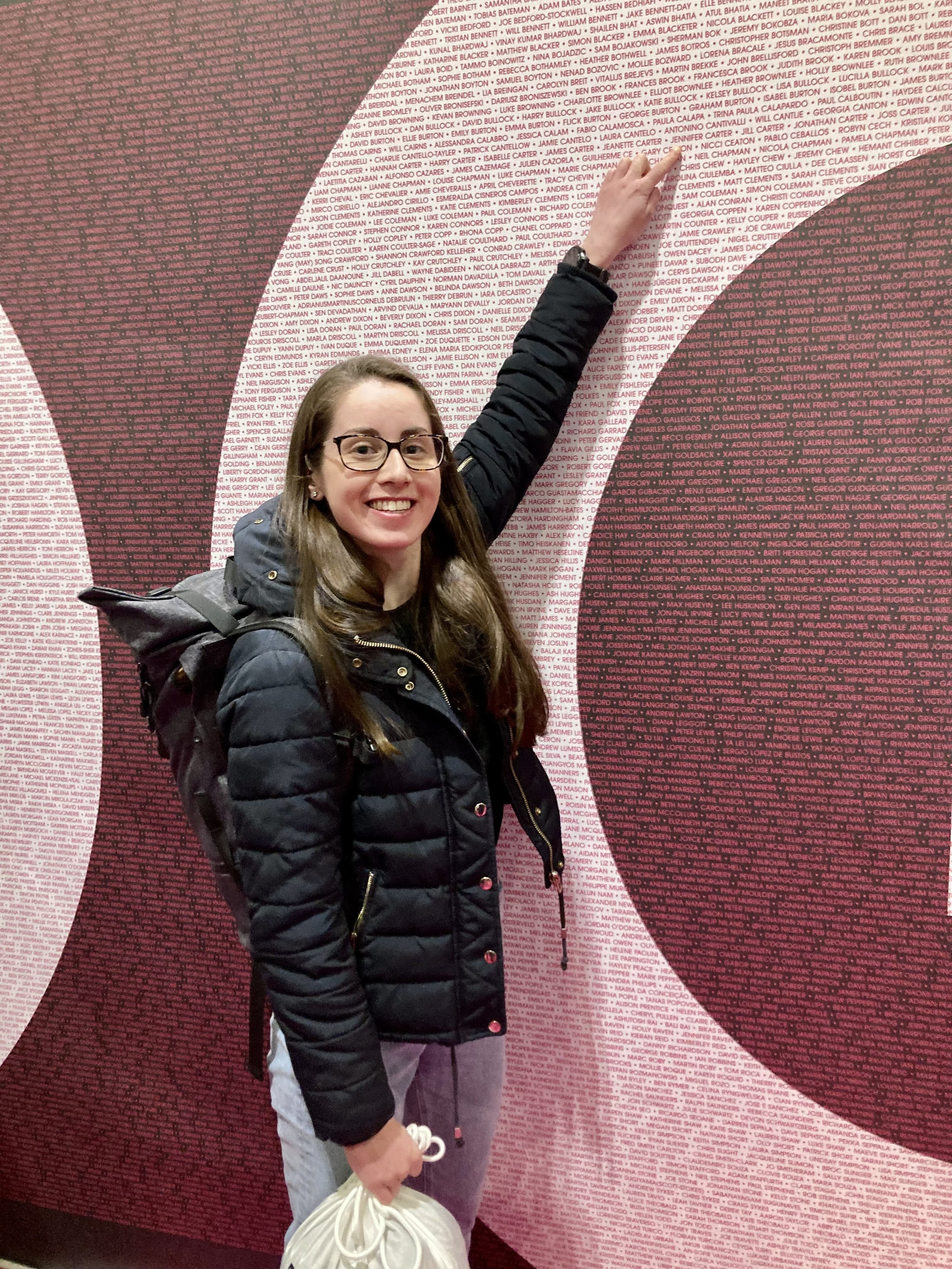
Marathon training had gone extremely well and I enjoyed the process. I felt good building up the distance on my long runs, and my performance was peaking leading up to the race. In the back of my mind, if all went to plan on race day, I could be aiming for a sub 3 hr marathon!
Having said that, two to three weeks out I began to notice twinges in my hip and around the back of my left leg that didn’t feel normal. I saw a physio and they put it down to the huge volume of marathon training taking its toll. The final weeks leading up to the race were a physical and mental struggle. I didn’t complete my final training runs in order to rest my leg. When it came to my shake out run 2 days before the race I could run fine, but something still seemed a bit off. Nonetheless, the physio had not identified anything seriously wrong with my leg and we decided that I could run the marathon and simply slow down if it didn’t feel good.
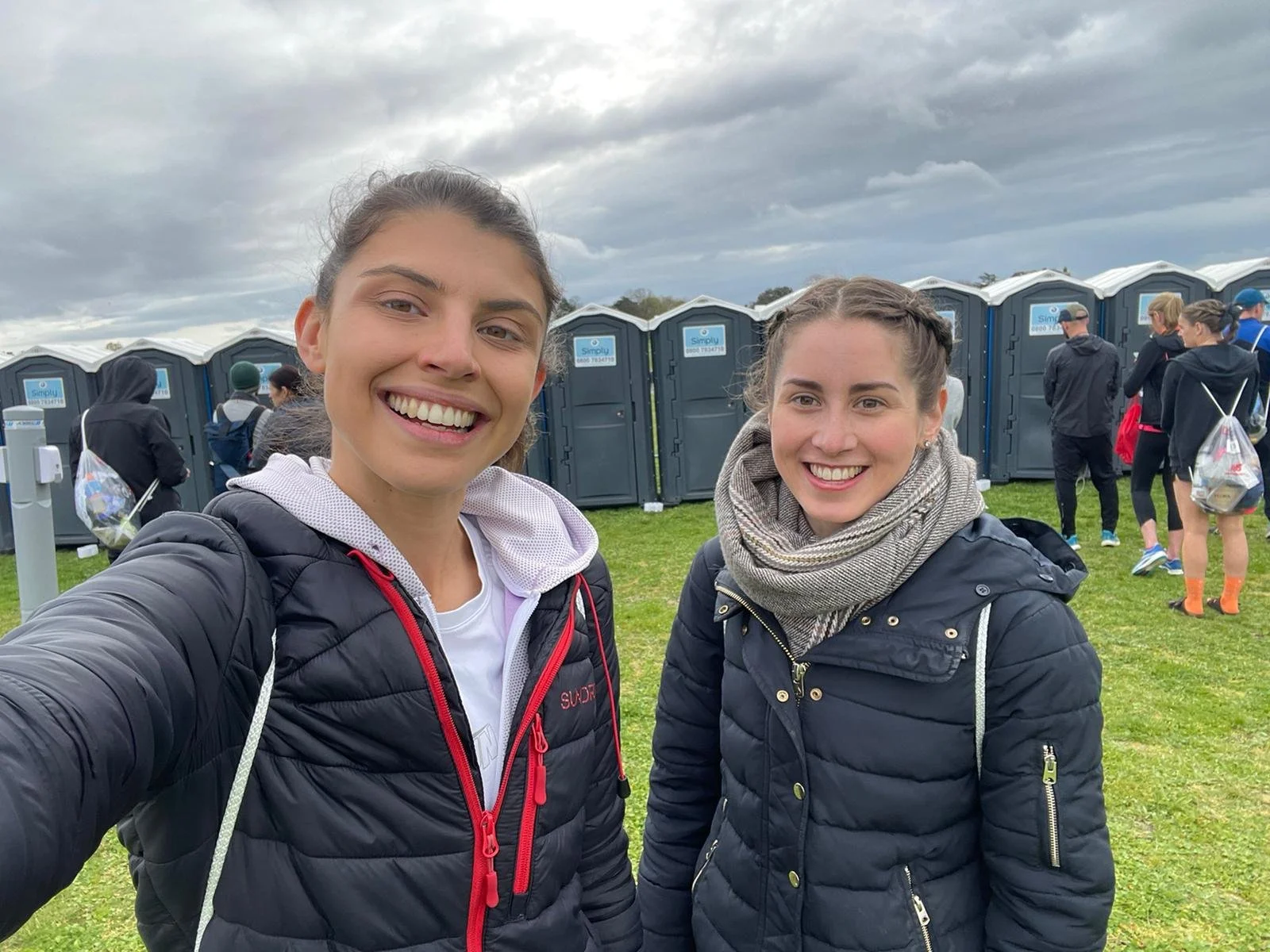
I was full of nervous excitement on race day. This was going to be my debut marathon at one of the most iconic marathon races in the world! My Cambridge Half Marathon time (1 h 23 min) had secured me a place in the championship wave. We had our own separate warm up area and start pen. We were also very privileged to set off just behind the elite men – only meters away from the likes of Sir Mo Farah! My Catenary team mate, Megan, had also qualified for the championship entry, and it was great to bump into her at the start - she helped calm my nerves. It was a rainy start to the day, but fortunately we didn’t have too long to stand around at the start line to start getting cold.
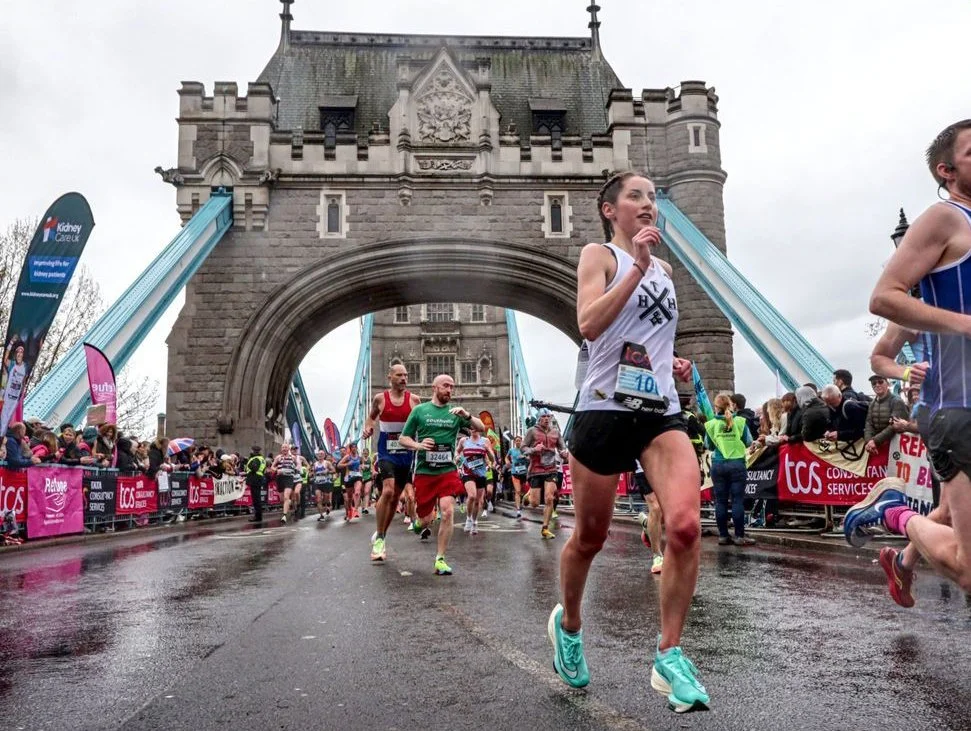
The starting horn sounded and we were off! The first stretch of the marathon was mostly downhill and my legs were feeling good. I started off slightly faster than my target pace, but I knew this was a tendency of mine and that I would settle into a good pace later on. It was so good to be surrounded by experienced runners because the pace was consistent around me, and everyone was respectful of those running around them. It really felt like all the runners were in this challenge together.
Despite the rain, huge crowds of supporters lined course. It was an incredible atmosphere and drove me forward. It was especially great to receive unexpected cheers from friends who I didn’t realise were out watching the event.
Crossing the monumental Tower Bridge at just about half way, I knew I was on track for a fantastic time. A 1 hr 27 half meant that even if I dropped the pace a little in the second half, I could still achieve my goal of a sub 3 hr marathon. I was happy, and felt strong - I could only mildly feel the niggles in the leg that I had been trying to rest on the final weeks leading up to the race.
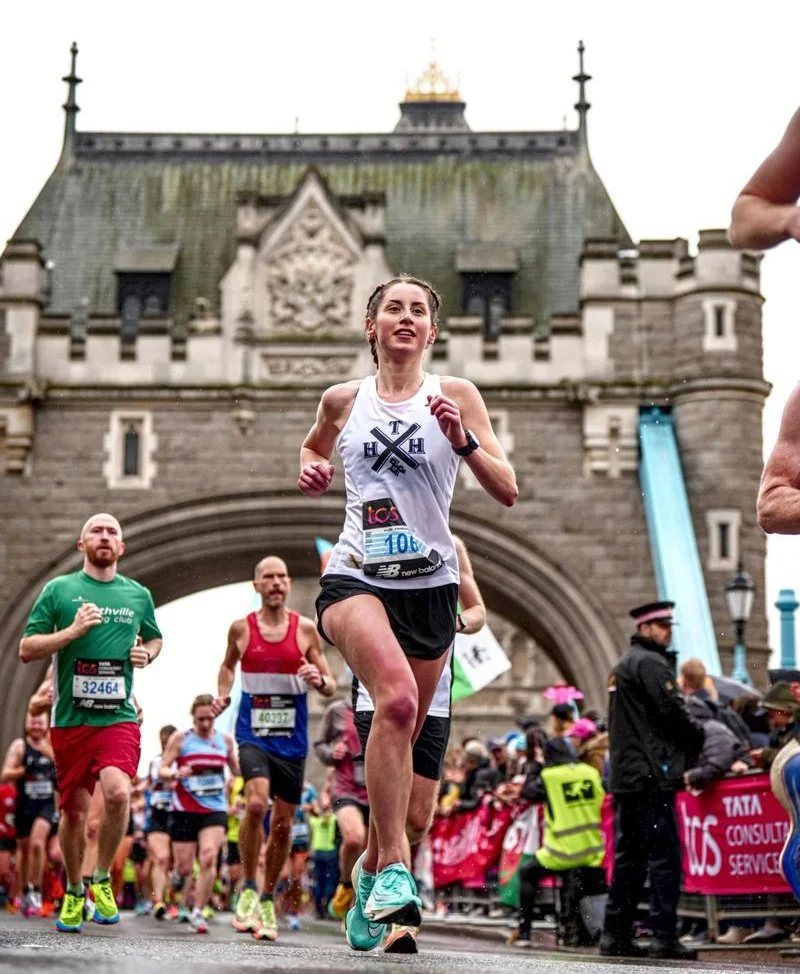
Despite a great start, 25 kilometres in, I was suddenly in a lot of pain every time I put weight on my left leg. I obviously looked like I was in a lot of pain as I recall a course marshal telling me that medical help was available in a St John’s Ambulance tent not too far ahead. For some reason, I didn’t think I was doing badly enough to need medical help. The course twisted and turned around Canary Wharf - one of the harder sections of the course where typically the crowds are sparse and the mileage begins to take its toll. For me, that was not an issue - I was not struggling with the pace or time spent running, it was simply becoming more and more worrying that the pain in my leg was intensifying. It became agonising to bear weight on my leg, particularly on the downhills. I could no longer run at speed, and my pace dropped significantly. I knew that my parents were out supporting me around the 30 kilometre mark and so I put on a brave face and waved as I passed them, even though I knew I was not doing well.
The run was no longer a race, but a matter of survival. I tried walking some bits, however this did not improve the pain and I knew that it would only take me longer to reach the end if I continued that way. The crowds and runners pushed me onwards. With 10 kilometres to go, I knew there was not far to go. I counted down the kilometres, which took longer and longer as time went on. In Westminster, I had the 3 hr pacer come by me with a strong group of runners who were well on their way to achieving their personal goals. On the final stretch up to Buckingham Palace, the 3 hr 15 pacer passed me and another flurry of people all running incredibly well went by.
I don’t know quite how I managed to hobble my way to the end, but I made it. And I felt nothing. No finish line feeling, just a sense of bewilderment. Thankful that the race was over. Not that the time mattered to me at all, but I had made it round in 3 hr 21 – not bad.
I went to go and collect my belongings from van with my race bag. I had arranged to meet with my family at a meeting point after the race and we were due to go and celebrate over lunch together. However, I decided that I didn’t feel like walking all the way to the meeting point and asked a volunteer to use their phone to contact my brother to meet me at the end line instead. I didn’t feel great standing, so the volunteer suggested that I sit down whilst they contacted my family. Given the amount of pain I was in, the St John’s Ambulance crew were ushered over for me to get checked out in the medical tent. By the time they made it over, I could no longer stand. Bearing weight on my left leg was severely painful. My whole body was in shock and I could not stop shivering.
I ended up in an ambulance and on my way to hospital. They suspected I might have stress fractures in my hips and I needed to have X-rays and scans to confirm. I was immobilised in a hospital bed for 2 days and this was extremely traumatic. Fortunately, I had not fractured myself, but suffered severe sprains in my hip flexors and hamstring. Small movements, even slight twists of my leg, were incredibly painful. I was discharged with crutches and a lot of pain medication. Hospital food was not good recovery food and when I got home I ate like a horse to make up for the calorie deficit!
The process of resting and recovering has been equally traumatic. I spent 8 painful weeks on crutches and slowly re-built my strength to be able to walk again. It took an additional month to almost walk normally again and manage longer distances without pain and fatigue. I am now seeing an excellent physio, who identified weaknesses in my hamstrings and back of my legs that increased the burden on the front of my leg and led to my injury in the first place. I have gone back to the very basics with practising leg exercises every other day to re-build my strength. My legs still get very tight and fatigue easily, but the progress that I have made since my injury has been huge. I am proud of how far I have come. I have been able to swim and cycle and ease back into training with those sports, and I am really hoping that in the next couple of weeks I might be able to try running again!
Lessons have been learnt, and I know now to follow a contingency plan if events unfold like this again. I am very thankful to all the marathon volunteers, St John’s Ambulance Team and hospital staff at St Mary’s who looked after me so well. I am also extremely grateful that I have an incredible support network of friends and family who were there to take care of me after the race and throughout my recovery.
Jennifer Carter